Feb 9, 2026
.
Sustaining the Power of Resistance Turned Resilience: Newark, NJ
Sustaining the Power of Resistance Turned Resilience: Newark, NJ
Newark, NJ is widely recognized as having one of the strongest


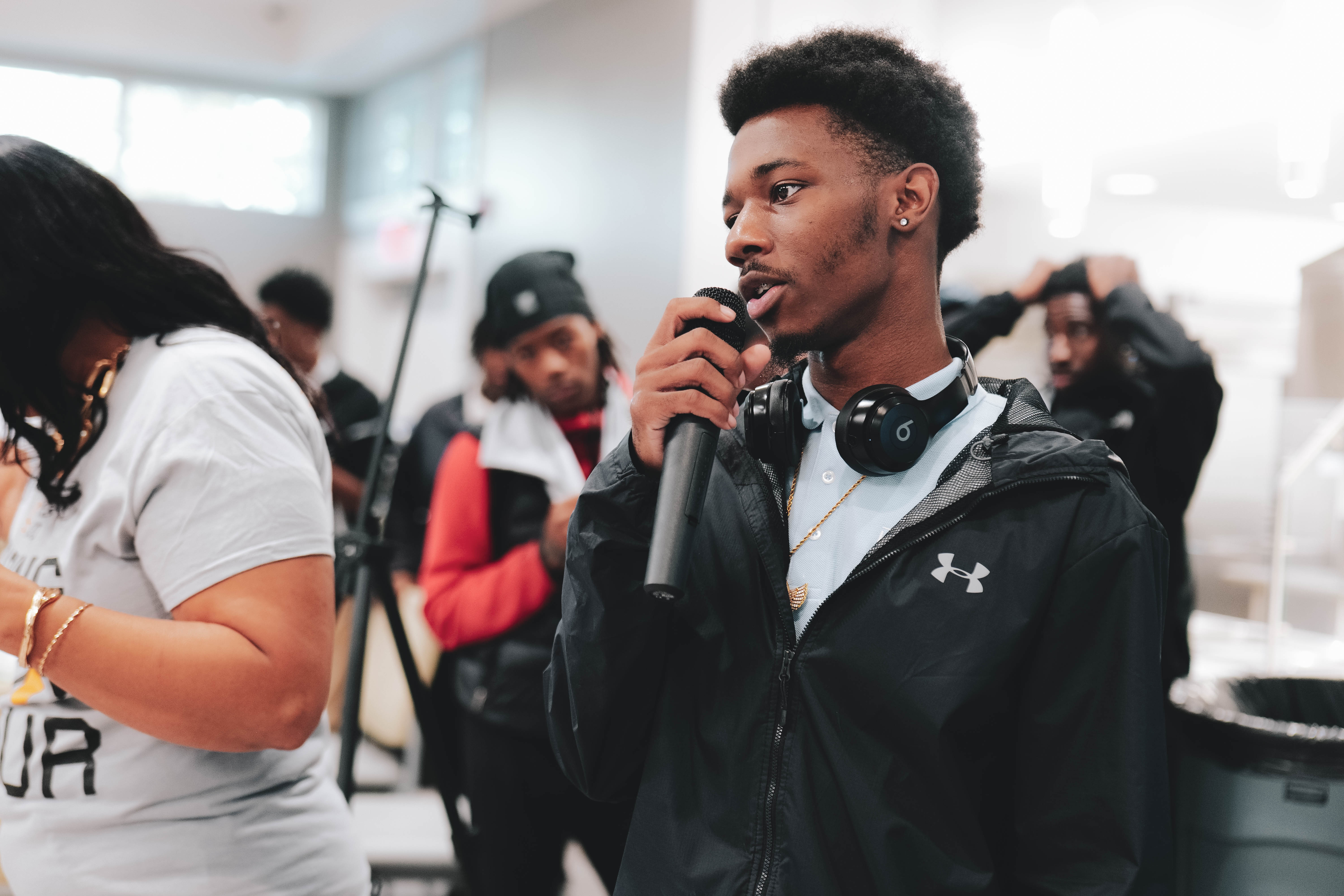
“We didn’t wait for a grant to start this work—people were already in the streets making sure our folks were not forgotten.” (Community Partner, Strategy Session)
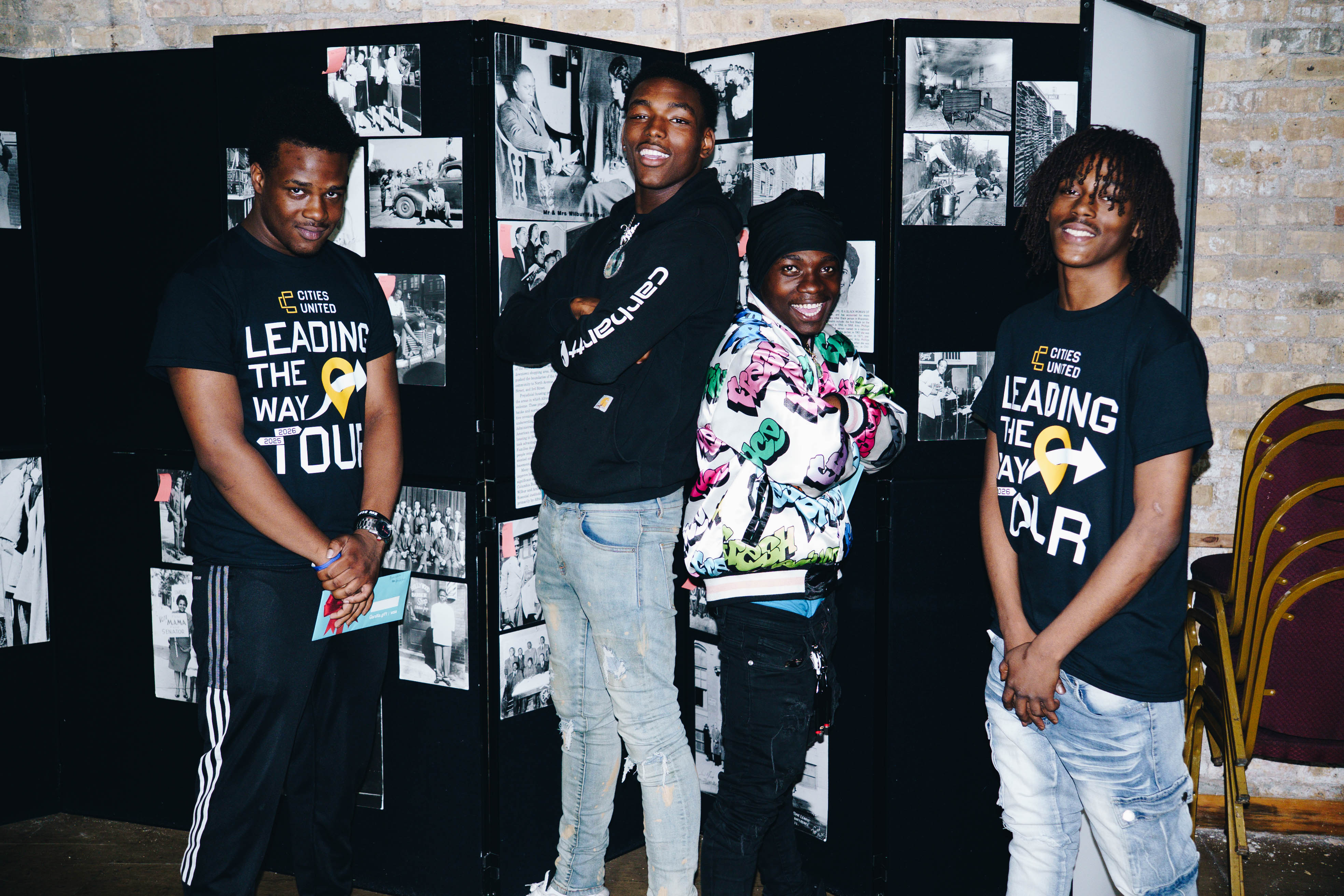
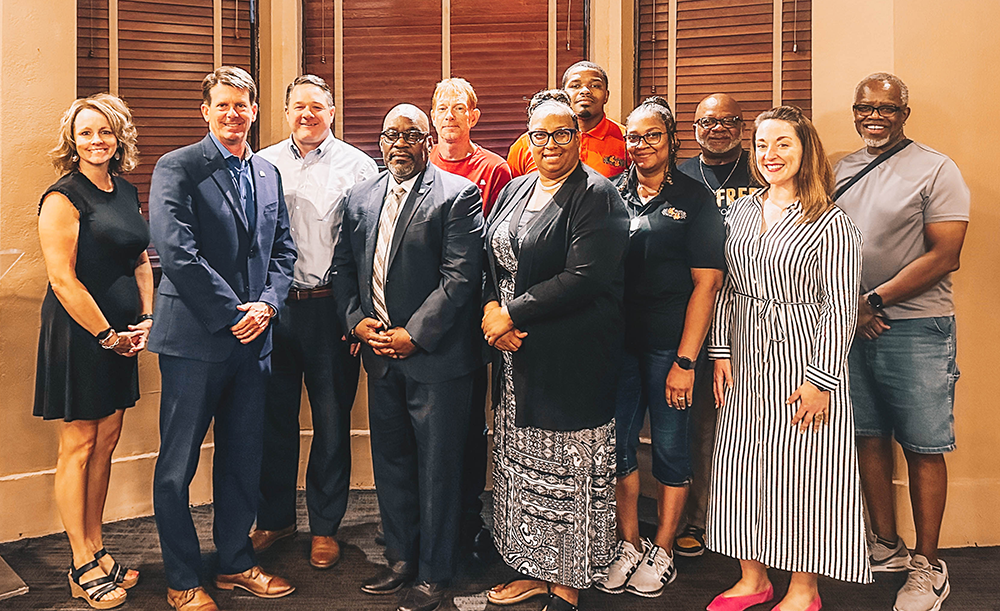
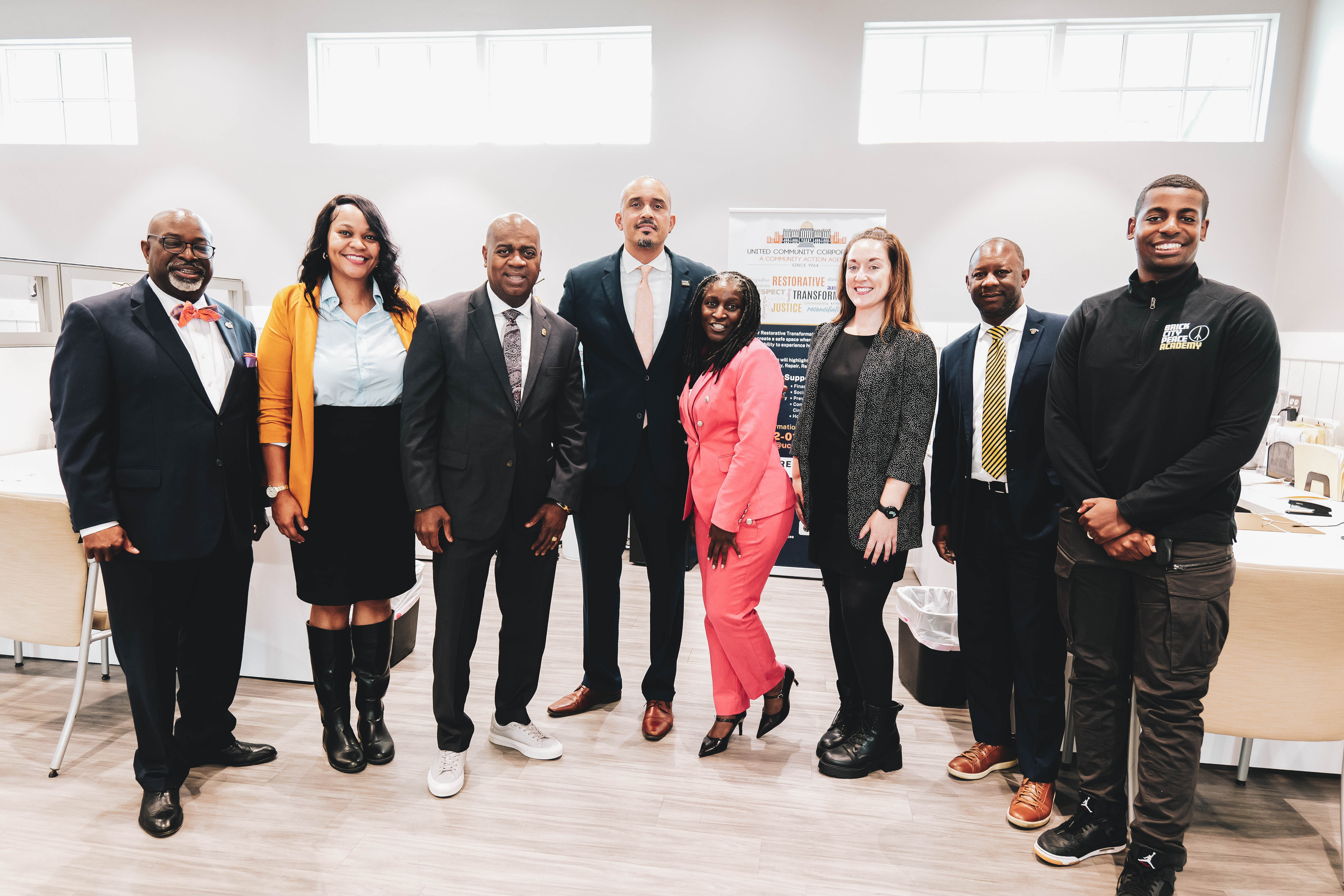
Newark, NJ is widely recognized as having one of the strongest and most aligned public safety ecosystems in the country. This success is rooted in community leadership, credible messenger expertise, data-informed coordination, and deep, trusting relationships across organizations. Newark’s progress reflects years of visionary leadership from Mayor Ras J Baraka, combined with community buy-in, trauma-informed practice, and consistent investment in a public health approach to safety. The Leading the Way tour affirmed what partners across the jurisdiction already know: Newark has built the foundation for an ecosystem that centers healing, aligns action across organizations, and responds to community needs with both urgency and thoughtful coordination. Local leadership has been instrumental in sustaining focus, energizing partners, and ensuring that momentum continues to grow.
Throughout each engagement during the tour stop, one thing was clear: there is no denying Newark’s history of resistance, resilience, and recovery. The city has faced longstanding challenges, yet its leaders and residents have continually demonstrated the capacity to innovate, adapt, and heal. Now, the next phase of work requires intentionally aligning this rich history and the city’s many strengths within a shared strategy, one that is clearly communicated, grounded in robust data, and sustained over time.
Newark’s Office of Violence Prevention and Trauma Recovery (OVPTR) has articulated four strategic goals that offer a clear pathway for deepening this alignment:
1. Supporting communities to have an active role in creating public safety – ensuring residents are empowered participants in shaping strategies and solutions.
2. Mobilizing community and law enforcement to focus on “hot spots” – directing coordinated resources to areas with the greatest need for intervention.
3. Shifting the culture to think about trust, healing, and resilience – emphasizing trauma-informed approaches and fostering relationships built on respect and accountability.
4. Investing in the capacity of people and resources to prevent violence – strengthening the ecosystem through training, technical assistance, and sustainable funding.
Partners consistently expressed their commitment to building on these goals while enhancing the communication, coordination, and storytelling necessary to demonstrate progress. Equally important is ensuring that every resident understands how they can contribute to the implementation and success of Newark’s public safety ecosystem.
“We all play a part in this—this work moves when we move together.” That collective resolve, guided and energized by the mayor’s leadership, is Newark’s greatest strength. By advancing aligned action across the mayor’s office, community partners, young leaders, data experts, and national collaborators, Newark is well positioned to sustain momentum, deepen its impact, and continue building a safer, healthier, and more hopeful future for all residents.
The key to ongoing success will be reaching those who may be less familiar with Newark’s history, helping them understand the significance of the current moment, and reinforcing why sustaining momentum is critical for long-term transformation. With this focus, Newark can continue to serve as a national model for comprehensive, community-centered public safety.
“Newark has built something powerful—now the question is how we carry it forward without losing what makes it work.”

Cities United relies on a network of advocates, community leaders, and young voices. Be a part of the change.